Funeral Meal Ideas: What to Bring a Grieving Family
The right meal on the wrong day is still the wrong meal. Here's what to bring, when to bring it, and how to keep the food coming for the six lonely weeks after the service.
Quick answer
The best funeral meals are hearty, freezer-friendly, disposable-container comfort food that can be eaten cold, heated in one step, or frozen for later — think baked ziti, chicken and rice, hearty soups, breakfast casseroles, and a fresh salad. Skip anything requiring assembly, avoid duplicating the first three days of casseroles, and label every container with the dish, ingredients, and reheat instructions.
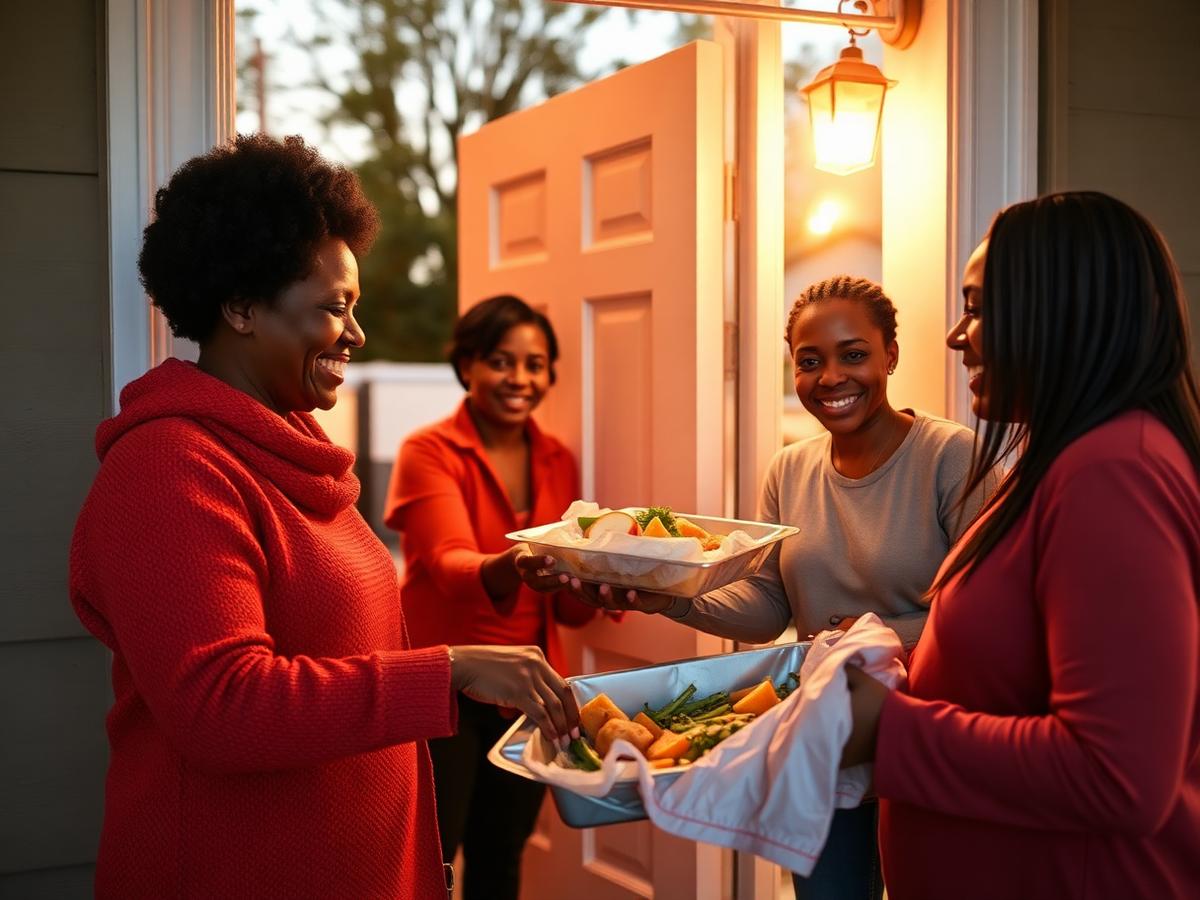
In the days after a loss, food is love that shows up at the door. But it's also the thing most likely to overwhelm the family and end up in the trash. A little thoughtfulness — about timing, portion size, packaging, and the third week when everyone else has gone home — turns a casserole into real comfort.
The most-appreciated funeral meals
Grieving families rarely want elaborate food. They want something warm, familiar, and easy — served on a paper plate at 9pm when they've finally sat down. These dishes travel well, reheat well, and freeze well.
- Baked ziti, lasagna (only ONE per week — coordinate!), or shepherd's pie
- Chicken and rice, chicken pot pie, or a whole rotisserie chicken with sides
- Hearty soups: chicken tortilla, beef stew, minestrone, chili
- Breakfast casseroles (egg + sausage bake) — grief-brain forgets breakfast
- Meatballs in sauce with a bag of rolls
- Sandwich platter or charcuterie board — lets people graze between hard conversations
- Fresh fruit bowl, veggie tray, or a big green salad with dressing on the side
What to skip (and why)
- Anything requiring assembly, chopping, or 'just add three things'
- A ninth casserole in week one — check the schedule first
- Delicate desserts that need refrigeration and eating within a day
- Dishes with no reheating instructions or ingredient list
- Anything in your grandmother's Pyrex you want back
Packaging & labeling: the details that matter
How to package a funeral meal
Use disposable containers
Aluminum pans, freezer-safe deli containers, or nice reusable ones you never expect back. The family should never feel a returned-dish obligation.
Portion for reality
Individual servings freeze better and cover more nights than one giant pan. A family of four rarely finishes a full lasagna in one sitting.
Label everything
Blue painter's tape and a Sharpie: dish name, ingredients (call out gluten, dairy, nuts), oven temp + minutes, and who it's from.
Include a small extra
A loaf of bread, a bag of clementines, or a jar of good coffee. Something for the countertop, not the freezer.
When to bring food (and when to hold back)
The first 72 hours are usually oversupplied — out-of-town family, church casseroles, and the neighbor's fruit tray all arrive at once. The lonely stretch is weeks two through six, after the memorial, when everyone has gone home and the family is left with an empty fridge and a full grief.
If you're the ninth person offering food on day two, skip forward. Sign up for a Tuesday in week three. That's the meal they'll remember.
How to handle dietary restrictions
Ask the coordinator (or a close family friend) about allergies, medical diets, and food aversions grief has created. Grief nausea is real — some people can only stomach bland food for weeks. When in doubt: keep it simple, keep it labeled, and include a small vegetarian option.
Ready to organize support without endless texts?
Start a Rally for free. Invite your people. Let care happen.
Frequently asked questions
- How many meals should a family receive after a funeral?
- For an adult household of 2–4, plan for 3–5 meals per week for the first 2–3 weeks, then 1–2 meals per week for weeks 4–6. Coordinate through a shared schedule so meals don't stack up on day two and vanish by week two.
- Should I bring a meal the day of the funeral?
- Usually no. The day of the service is typically covered by the funeral reception. Bring food the day before (breakfast the morning of the service is often unmet) or a day or two after, when out-of-town family has gone home.
- What if I don't cook?
- Store-bought is still love. A rotisserie chicken with a bagged salad, a soup-and-bread grocery order delivered, or a meal-delivery gift card all count. Include a note.
- What are the best freezer meals for grief?
- Individual portions of baked pasta, chicken and rice, breakfast burritos, meatballs in sauce, and hearty soups. Package in freezer bags or containers labeled with the date, contents, allergens, and reheat instructions.
- Should I ring the doorbell or leave food on the porch?
- Text first. Grieving families often prefer porch drop-offs with a text 'left dinner in the cooler' so they can eat in peace. Only stay to visit if the family specifically invites it.
About the author
The Rally Around You Team
Care coordination writers, in partnership with hospice chaplains, postpartum doulas, and church care ministers.
We build gentle tools that help families, friends, and communities show up for one another during life's hardest and most tender seasons.
Published February 3, 2026 · Last updated May 12, 2026