Caregiving During Cancer Treatment: A Practical Guide
Caregiving during cancer treatment is the marathon nobody trains for. Here's how to organize the practical, protect the medical, and preserve yourself.
Quick answer
A cancer treatment caregiver's job has three lanes: medical (track appointments, meds, and symptoms), practical (rides, meals, house help, childcare), and emotional (presence, patience, and protecting the patient's energy). Recruit a team early — one person cannot do this alone for six months — and use a shared calendar so nobody duplicates, nobody drops, and the patient never has to coordinate.
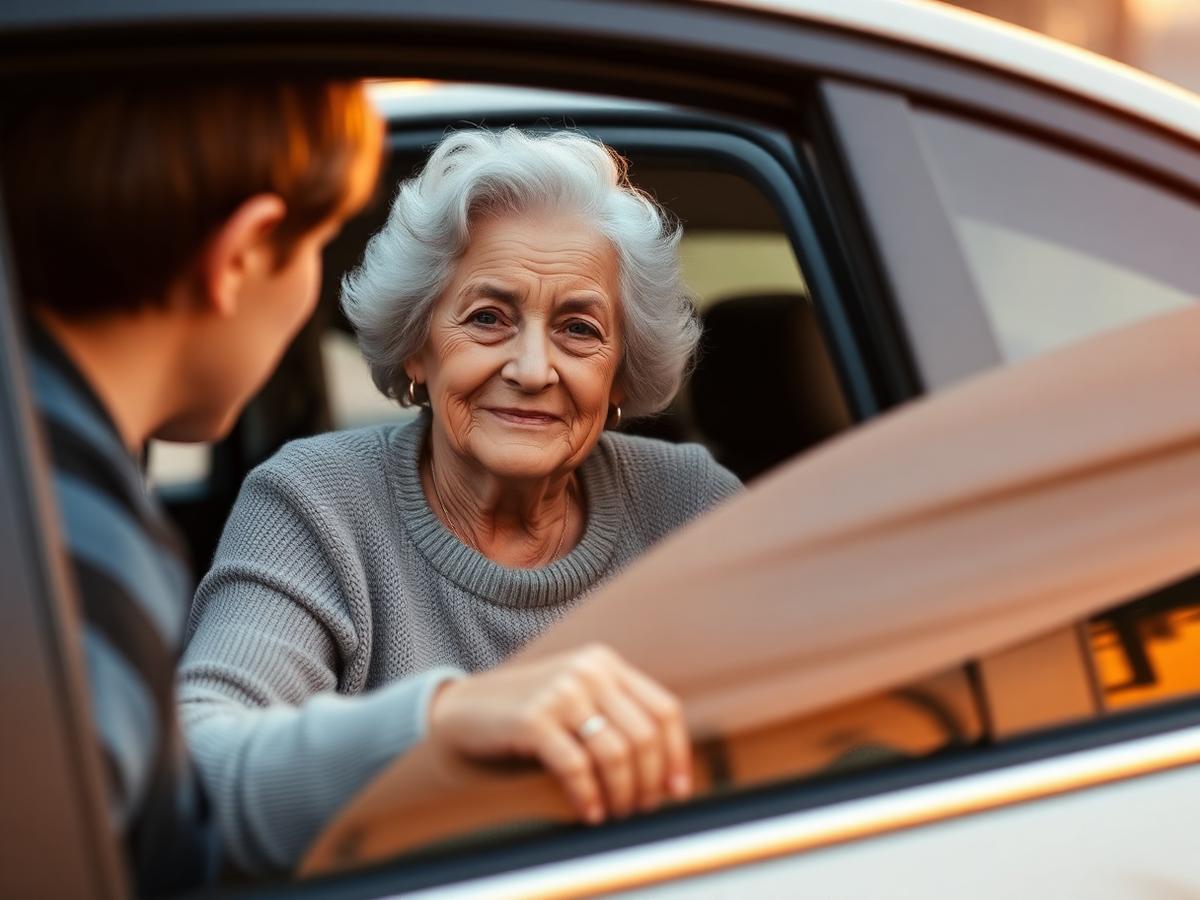
Cancer treatment doesn't happen in a single day. It happens in appointments, side effects, prescription refills, insurance calls, and Tuesday afternoons when the patient can't lift their head off the pillow. The caregiver's job is to make all of that quieter — so the patient can spend their limited energy on healing, not logistics.
Week 1: get organized before treatment starts
The first-week caregiver checklist
Create the master document
Diagnosis, oncologist, hospital, insurance contacts, list of medications, allergies, emergency contacts. One page. Print copies. Take one to every appointment.
Build the ride schedule
Chemo cycles are predictable — schedule drivers for the whole cycle in one shot. Include the drive home; patients often can't drive after infusions.
Start the meal train
Small portions, bland options, disposable containers. Start meals from day one — not after they've lost 10 pounds.
Recruit the team
Ask 5–10 people to each own one lane: rides, meals, kids, yard, groceries, house cleaning. Give people a real job, not 'let me know if you need anything.'
Set the communication rules
One person (usually not the patient) owns updates. A shared thread or private space beats replying to 40 texts.
Chemo days: what to pack and what to watch
- A cozy blanket and warm socks — infusion rooms are cold
- Unscented lip balm and lotion (chemo destroys the mouth and skin)
- Ginger candies or peppermint for nausea
- Water bottle + electrolyte packets (hydration is the #1 side-effect defense)
- A distraction — headphones, an easy book, a phone charger
- Any anti-nausea meds the oncologist prescribed
The side-effect calendar
Chemo side effects usually peak 3–5 days after infusion. Plan the hardest meals, quiet visits, and no obligations for that window. The week before the next cycle is often the 'good' week — bank rest and small joys then.
What to feed someone during chemo
- Bland proteins: baked chicken, scrambled eggs, mashed potatoes
- Cold foods — heat and smells trigger nausea (yogurt, smoothies, cold sandwiches)
- Small portions in individual containers so untouched food isn't wasted
- Ginger, peppermint, and lemon — natural nausea helpers
- Skip: strong spices, garlic-heavy dishes, tuna, anything with a strong smell
Taking care of the caregiver
Caregiver burnout is not a maybe — it is a schedule. Build your own respite in from week one: someone else drives on Tuesdays, a friend brings you dinner too, a monthly therapy appointment, permission to nap. You cannot pour from an empty cup for six months.
Ready to organize support without endless texts?
Start a Rally for free. Invite your people. Let care happen.
Frequently asked questions
- How can I help someone going through chemo?
- Offer specific, low-effort help: a ride to a specific appointment, a meal on a specific day, a Tuesday afternoon of childcare. Avoid 'let me know if you need anything' — decision-making is exhausting for cancer patients.
- What should I say to someone with cancer?
- 'I love you. I'm here. What do you need this week?' Skip advice, treatment stories, silver linings, and 'you're so strong.' Presence beats pep talks.
- How do I organize meals for a cancer patient?
- Use a shared schedule, ask about diet restrictions and food aversions (they change), request bland small-portion meals in disposable containers, and plan for the peak side-effect window 3–5 days after treatment.
- What are the best gifts for a cancer patient?
- Soft blankets, warm socks, unscented lip balm, a good water bottle, cozy pajamas, streaming subscriptions, meal delivery gift cards, or a book of prepaid rides. Skip flowers (many infusion centers ban them) and strongly scented items.
- How long does chemo caregiving last?
- It depends on the protocol — anywhere from 8 weeks to 12 months of active treatment, plus recovery. Assume it will take longer than you think and build a sustainable team accordingly.
About the author
The Rally Around You Team
Care coordination writers, in partnership with hospice chaplains, postpartum doulas, and church care ministers.
We build gentle tools that help families, friends, and communities show up for one another during life's hardest and most tender seasons.
Published March 4, 2026 · Last updated May 28, 2026
This article is for general information and community support only. It is not medical advice. Always follow the guidance of the person's care team.